Choosing Southern Select Equipment
Investing in Quality: The Way Proper Restaurant Equipment Elevates Your Profits
Within the demanding restaurant sector, equipment choices significantly influence overall profitability. High-grade equipment improves productivity and security and simultaneously cutting overhead costs. While evaluating foodservice equipment, factors such as energy efficiency, ergonomics, and versatility prove absolutely vital. Recognizing these factors can lead to better service and increased customer satisfaction. Yet, numerous restaurant owners ignore the long-term benefits of investing wisely. Which factors deserve the most attention to optimize profitability?
Why Quality Equipment Matters in the Restaurant Industry
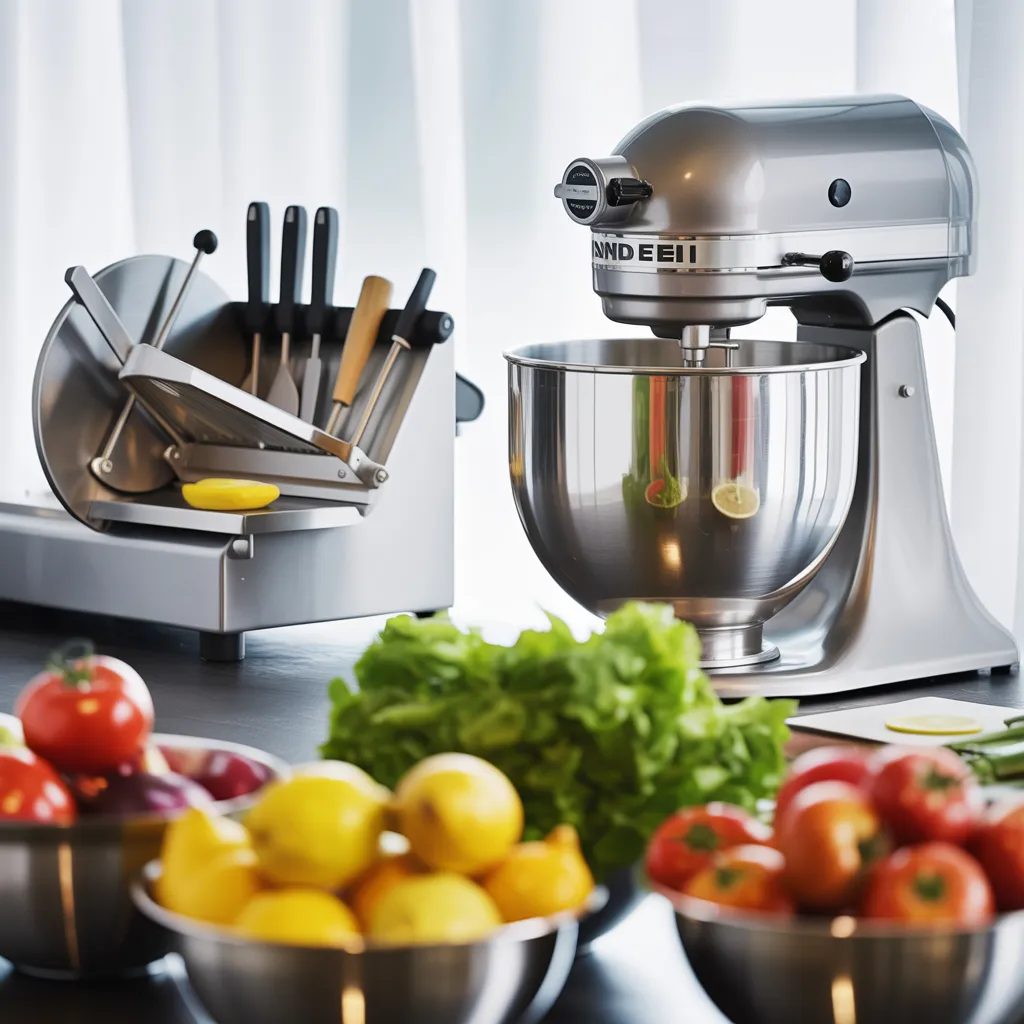
Premium equipment stands as the cornerstone of every successful restaurant operation. Restaurateurs who invest in superior tools and appliances naturally improve efficiency, safety, and the overall quality of their service. Trustworthy equipment limits operational downtime and repair expenses, freeing staff to dedicate their efforts to delivering remarkable customer experiences. Furthermore, long-lasting appliances frequently incorporate cutting-edge technology that enhances cooking precision and consistency, which is essential for upholding menu standards.
Furthermore, high-quality equipment promotes greater energy efficiency, cutting down operational expenditures over the long term. This not only supports a healthier bottom line but also contributes to sustainability efforts within the industry. Although the initial outlay can seem considerable, the lasting benefits typically surpass the financial commitment. At the end of the day, selecting high-quality equipment allows restaurant owners to enhance operational efficiency, fulfill customer needs, and create a welcoming dining experience, establishing it as a critical element in the competitive food service market.
Important Features to Look for When Choosing Restaurant Equipment
When choosing commercial kitchen equipment, multiple important factors require thoughtful evaluation to ensure optimal performance and lasting durability. Durability is critical; equipment needs to hold up against the challenges of everyday use in a high-volume kitchen. Moreover, ease of upkeep is an important factor; equipment that streamlines cleaning and maintenance can lower downtime and staffing costs.
Adaptability is another important aspect, enabling chefs to use equipment across various applications, expanding menu options. Dimensions and volume should also be evaluated to ensure that equipment fits within the kitchen space while fulfilling production needs. Furthermore, user-friendly interfaces facilitate quicker staff training and operational efficiency.
Ultimately, examine the warranty coverage and support offered by the manufacturer, as strong service plans can minimize potential issues. By considering these important features, dining establishment managers can arrive at educated conclusions that boost operational performance and success.
Energy Efficiency: A Critical Element for Cutting Operating Costs
Energy efficiency emerges as a vital consideration in cutting overhead costs for restaurants, especially in a sector known for its narrow profit margins. Purchasing energy-efficient appliances can result in substantial reductions in utility expenses, which commonly account for a significant part of overall expenditures. To illustrate, ENERGY STAR-rated appliances consume less energy while maintaining performance, helping restaurants function in a more environmentally and financially responsible manner.
In addition, high-performance equipment typically lasts longer, minimizing the need for frequent and costly replacements. Not only does this lower capital costs, but it also helps minimize unnecessary waste.
In addition to financial advantages, implementing energy-saving measures can boost a restaurant's standing, appealing to environmentally conscious consumers. With energy prices steadily increasing, emphasizing efficiency proves to be a sound financial choice as well as a market differentiator. Through investing in energy-saving technology, restaurant owners can effectively improve their bottom line while contributing to a more sustainable future.
How Ergonomics Can Improve Workplace Productivity
In the food service industry, ergonomics serves a vital function in boosting workforce efficiency. By maximizing workflow performance, minimizing the risk of injuries, and improving staff comfort levels, restaurants are able to establish a more productive workplace. This commitment not only supports employees but also drives overall business performance.
Improved Workflow Productivity
Enhancing productivity in commercial kitchen environments relies upon the application of ergonomic practices. By creating work environments that encourage natural body movements, restaurants can enhance efficiency. Layout design, equipment placement, and accessibility significantly contribute to reducing unnecessary strain and fatigue. For instance, adjustable workstations allow staff to perform tasks comfortably, improving accuracy and productivity. Additionally, thoughtfully positioned equipment and materials minimize excessive reaching and bending, enabling a more efficient operation. When team members can work without restriction, they are more likely to maintain focus and productivity. Investing in ergonomic designs not only optimizes operations but also promotes a well-structured workspace, ultimately contributing to improved service quality and customer satisfaction. Through careful selection of tools and fixtures, restaurants can achieve significant gains in operational efficiency.
Decreased Injury Risks
Integrating ergonomic strategies in restaurant settings greatly minimizes injury hazards among employees. By integrating equipment built for comfort and usability, such as adjustable-height workstations and anti-fatigue mats, restaurant operators can limit the bodily stress on workers. Properly designed tools, like reduced-weight utensils and easy-to-handle transport carts, further alleviate the likelihood of repetitive stress injuries. Training staff on proper ergonomic techniques, such as proper lifting methods and correct body positioning, enhances awareness and encourages safer behaviors. These practices not only benefit workers but also bring about a decline in workplace mishaps, thus lowering downtime and related expenses. At the end of the day, committing to ergonomic resources and instruction fosters a safer work environment, which can enhance overall staff productivity and morale.
Improved Employee Comfort
Boosting staff well-being via well-designed design significantly increases worker efficiency in restaurant settings. By prioritizing tools that focuses on ergonomic principles, restaurants can create a working atmosphere that minimizes fatigue and discomfort. Adaptable work surfaces, ergonomically designed seating, and properly designed kitchen tools empower employees to perform tasks with greater ease and efficiency. This not only leads to greater operational output but also cultivates a healthy organizational culture, which can improve worker satisfaction and commitment. Moreover, workers who feel at ease are not prone to face workplace exhaustion, contributing to lower turnover rates and training costs. In the end, integrating ergonomic strategies is a calculated decision that improves workplace performance and contributes directly to the business's financial performance. By placing comfort at the forefront, dining establishments can cultivate a highly efficient team.
Selecting Restaurant Equipment That Improves Guest Experience
A carefully curated range of commercial kitchen equipment can considerably improve the overall dining experience for guests. Superior products, such as state-of-the-art coffee makers or high-precision ovens, ensure that dishes and drinks meet perfect temperature and flavor standards, enhancing satisfaction. Furthermore, visually appealing tools, like elegant tableware or distinctive serving accessories, contributes to the restaurant's ambiance and reinforces its brand identity.
Streamlined culinary equipment enhances operations, empowering team members to present dishes without delay, which is vital for strengthening guest satisfaction. Furthermore, equipment that guarantees food quality standards, including dependable refrigeration systems, establishes assurance and trust among patrons.
Furthermore, tech-based innovations, like digital menu systems, can enhance the personalized dining journey, making it increasingly engaging and pleasant. By prioritizing the selection of equipment that focuses on quality, aesthetics, and efficiency, restaurant owners can greatly enhance the overall customer experience, generating repeat patronage and strong word-of-mouth endorsements.
The Importance of Versatile Equipment for Menu Adaptability
Multi-functional equipment is vital for helping restaurants adjust their offerings to suit shifting culinary trends and patron demands. By adopting multi-purpose cooking equipment, restaurants can effectively address shifting consumer needs without necessitating major expenditure on new kitchen apparatus. As an example, a combination oven offers steaming, baking, and roasting capabilities, empowering kitchen staff to craft an extensive range of menu items while maintaining consistent quality.
This flexibility not only boosts creative menu planning but also optimizes kitchen workflows, decreasing prep time and reducing food waste. Restaurants equipped with flexible tools can swiftly respond to seasonal produce or growing dietary movements, such as vegan alternatives or gluten-free selections.
In the end, investing in adaptable equipment enables restaurants to stay competitive and relevant, fostering a dynamic dining experience that attracts and retains customers. The capacity to modify menus seamlessly serves as a vital strategy for maintaining growth in the constantly changing culinary landscape.
Tips for Extending Equipment Lifespan
To optimize the lifespan of commercial kitchen equipment, establishing a consistent maintenance routine is essential. Additionally, applying appropriate cleaning practices can prevent wear and tear, while detailed employee training protocols ensure that team members use equipment as intended. Collectively, these methods build a foundation for longevity and reliability in foodservice management.
Standard Maintenance Schedule
Although many restaurant owners prioritize buying high-quality equipment, neglecting regular maintenance can lead to costly repairs and shortened lifespans. Creating a consistent maintenance schedule is crucial for guaranteeing that equipment functions efficiently and dependably. This schedule ought to incorporate regular inspections and servicing of critical components, including filters, seals, and electrical connections. It is beneficial to log maintenance tasks to track performance and detect recurring issues. Moreover, teaching staff to spot early warning signs of wear can keep minor issues from developing into larger problems. By emphasizing maintenance, restaurant owners can reduce downtime, improve food safety, and ultimately prolong the lifespan of their investments. A preventive approach to equipment upkeep results in considerable long-term cost savings for the business.
Appropriate Cleaning Practices
Keeping equipment clean is critical for extending the lifespan of restaurant equipment. Regular cleaning prevents the accumulation of grease, food particles, and other contaminants that can cause equipment deterioration and mechanical breakdown. Using appropriate cleaning agents is of utmost importance; harsh chemicals may damage surfaces, while mild, food-safe cleaners efficiently clean surfaces without risk. Staff should employ proper techniques, such as employing microfiber cloths and non-scratch sponges, to avoid scratching delicate surfaces. Furthermore, periodic comprehensive cleaning should be arranged to address hard-to-reach areas and achieve full sanitary compliance. Adhering to equipment-specific guidelines provided by manufacturers is essential, as different equipment types require unique cleaning approaches. Adopting these practices contributes to prolonging equipment life and maintaining peak performance in a busy restaurant environment.
Operator Education Programs
Executing complete employee training programs is fundamental for maximizing the operational life of restaurant equipment. These programs guarantee that staff are familiar with the proper use and care of each piece of equipment, decreasing the risk of misuse and accidental damage. Training should include practical techniques, safety protocols, and regular maintenance procedures, all customized to specific equipment types. Regular refresher courses can reinforce best practices and adapt to any new machinery brought into the kitchen. Furthermore, building a culture of ownership empowers staff to actively participate in equipment care. By committing to comprehensive training, restaurant operators can considerably increase the life of their equipment, thereby improving operational efficiency and lowering ongoing expenses. This purposeful strategy contributes positively to the restaurant's bottom line.
When Is the Right Time to Upgrade Your Restaurant Equipment for a Better ROI?
What is the ideal time to replace restaurant appliances for maximum return on investment? Proper timing can have a major influence on overall profitability. Business owners ought to explore replacing their machinery when appliances constantly malfunction or demand expensive maintenance, as such costs can exceed the advantages of retaining aging equipment. Moreover, if current machinery does not comply with modern health and safety regulations, it can cause regulatory fines or temporary closures, thereby negatively impacting financial performance.
One other significant factor is a considerable decrease in performance, such as extended cooking durations or higher energy usage. Investing in energy-saving equipment can decrease operational costs and improve output. Furthermore, when new menu items are introduced, it may necessitate equipment that can manage higher volumes or advanced culinary processes. At the end of the day, reviewing productivity, overhead, and development will allow business owners assessment to identify the optimal moment to purchase updated machinery, guaranteeing better returns and a stronger market position.
Answers to Your Most Common Questions
What Is the Most Effective Way to Finance Restaurant Equipment Purchases?
To finance restaurant equipment purchases effectively, there are options to consider such as equipment financing, leasing, or small business loans. Reviewing interest rates and terms secures the most suitable options aligned with the restaurant's particular financial needs and situation.
Which Brands Are Recognized for High-Quality Restaurant Equipment?
Numerous brands are renowned for top-quality restaurant equipment, including Vulcan, Hobart, and True. These manufacturers are recognized for their performance, reliability, and durability, making them favored picks among foodservice professionals striving to optimize their workflows.
Can You Get Warranties for Restaurant Equipment?
Yes, many manufacturers offer warranties for foodservice equipment, usually spanning anywhere from one to five years. These coverage plans often include both parts and labor, providing assurance to restaurant owners regarding the longevity and reliability of their investments.
What Are the Responsible Methods for Disposing of Old Restaurant Equipment?
To get rid of old restaurant equipment in a sustainable way, one should contact local recycling centers, donate usable items to charities, or work with certified removal services that adhere to environmental regulations, ensuring safe and sustainable removal of materials.
What Technology Trends Should I Monitor in Restaurant Equipment?
Growing innovations in restaurant kitchen innovation include eco-friendly appliances, smart culinary tools, efficiency-driven automation, and environmentally friendly materials. Such advancements are designed to improve operational efficiency, lower operating expenses, and promote environmentally friendly practices within the food service sector.